



What You Missed at X4: A Conversation about Turning Numbers into People | Experience Community
Skip to main content

What You Missed at X4: A Conversation about Turning Numbers into People

  • April 2, 2026
  • 2 replies
  • 47 views

JamesScutt
Administrator
Forum|alt.badge.img+15

A Conversation about Turning Numbers into People
 

We heard from a public services leader who described a quiet but powerful shift in their organization. For years they were data-heavy but insight-poor. Scores were tracked and trends were charted, but the human meaning behind those numbers was missing. About a year and a half ago everything changed. Leaders, executives, and frontline teams began seeing themes in feedback as words and stories rather than just metrics. That clarity made action planning practical and personal.
 

The team also launched a closed-loop follow-up process. What once felt impossible to manage suddenly became doable because the data showed there were not endless cases to handle and the workflow made outreach simple. The result is culture change: personalization is now baked into how the organization learns and acts, turning raw scores into real people and creating a feedback practice that finally matches the organization’s stated values.
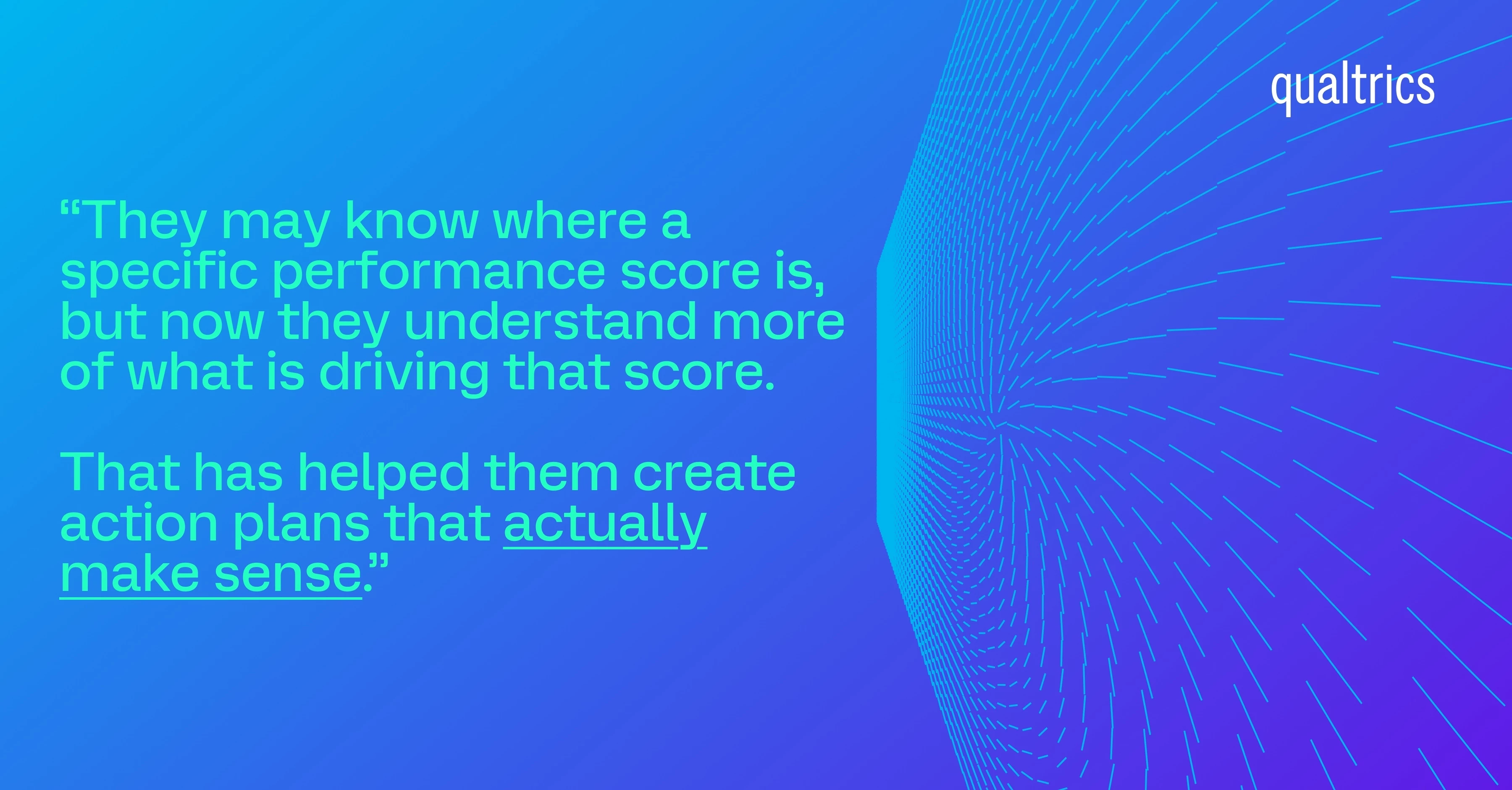
 

Quote from an employee about a year and a half after implementation.


Question for youWhat has helped your team move from numbers to human-centered insight when analyzing feedback?

Share a quick tip or a short story about a time a single conversation changed a process at your organization.


2 replies

SteveBelgraver
Level 5 ●●●●●
Forum|alt.badge.img+67
  • Level 5 ●●●●●
  • April 3, 2026

very nice piece ​@JamesScutt ! I'm curious what actually led to this groundbreaking turnaround in how the customer experience is perceived and managed. Working in organisations where this did not resonate deeply and surveys were handled as compulsory tasks is painfully familiar. Without a customer centric (ideally balanced with an employee experience component for a more holistic approach) culture, the many potential upsides will likely never materialise. Also happy to read this once again confirms the absolute necessity to have a robust closed-loop follow-up process in place. 

Which brings us back to the key question about how to bring about such a fundamental change in organizational culture (read: values and behaviours). I think it's fair to assume this Experience Community audience already believes in the benefits and potential value of having a customer centric culture. But how to trigger such a paradigm shift? Were any best practices shared by the public services leader that this audience can learn from?  


JamesScutt
Administrator
Forum|alt.badge.img+15
  • Author
  • Administrator
  • April 7, 2026

very nice piece ​@JamesScutt ! I'm curious what actually led to this groundbreaking turnaround in how the customer experience is perceived and managed. Working in organisations where this did not resonate deeply and surveys were handled as compulsory tasks is painfully familiar. Without a customer centric (ideally balanced with an employee experience component for a more holistic approach) culture, the many potential upsides will likely never materialise. Also happy to read this once again confirms the absolute necessity to have a robust closed-loop follow-up process in place. 

Which brings us back to the key question about how to bring about such a fundamental change in organizational culture (read: values and behaviours). I think it's fair to assume this Experience Community audience already believes in the benefits and potential value of having a customer centric culture. But how to trigger such a paradigm shift? Were any best practices shared by the public services leader that this audience can learn from?  

Thanks for this ​@SteveBelgraver - you've put your finger on something that gets glossed over in a lot of CX conversations. The 'how do you actually change the culture' question is the hard one, and it doesn't have a single clean answer.

From what this leader shared, a couple of things stood out. Making the data less abstract was key - when people could see verbatim comments alongside scores, it became harder to treat feedback as a compliance exercise. And the closed-loop process played a bigger cultural role than they expected. When frontline teams saw that outreach was manageable and that customer conversations were positive rather than defensive, it shifted their relationship with the whole programme.

Your point about the employee experience dimension is well made - this organisation found the shift accelerated once staff saw feedback as something that helped them do their jobs better, not something used to judge them.

What's your sense of what moves the needle?